Plot No. 2A, First floor Cabin No. 178 Industries Area, Phase 2, Panchkula Pin- 134113

30 Sep, 2026
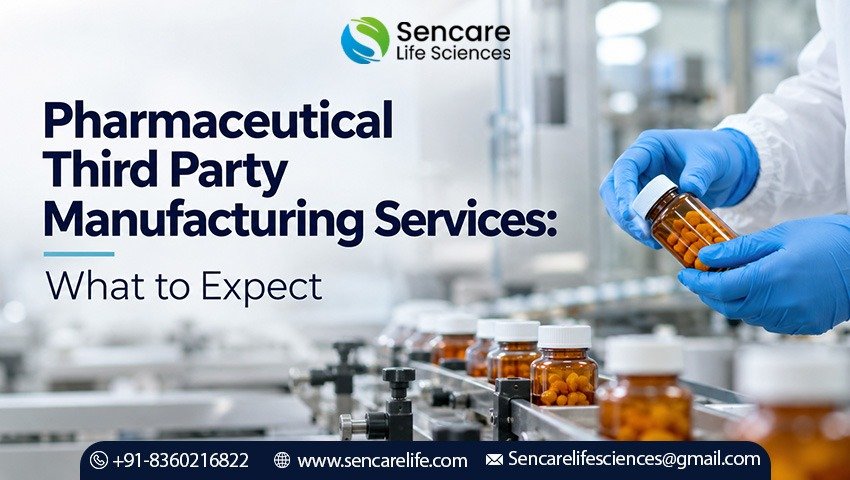
With such a high degree of precision, capital and regulatory standards expected when entering the healthcare sector, many brands choose to outsource their production to Pharmaceutical Third Party Manufacturing. This strategic move allows companies to utilize existing facilities and expertise, instead of constructing costly manufacturing facilities. The basic idea and concept of Contract Manufacturing, the process of collaboration and what to expect, and the benefits of the collaboration for the modern healthcare company will be discussed in this blog.
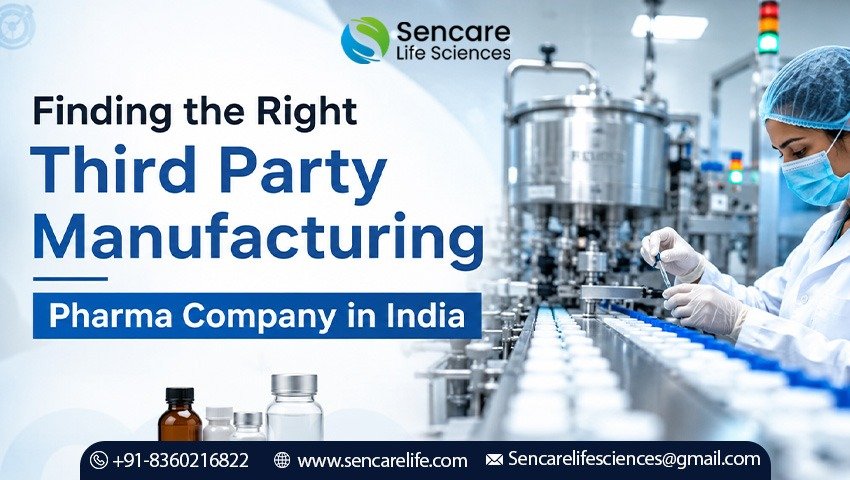
To consider operational expectations, it is important to first consider what Pharmaceutical Third Party Manufacturing actually means in the current pharmaceutical industry. Contract manufacturing is a business model that can be used by pharmaceutical companies to outsource the manufacturing of their medicine or healthcare products to a specialized manufacturing unit that has the appropriate certification.
These contract partners are involved in different dosage forms like tablets, capsule, syrup, injection, ointment, etc. With strict regulatory systems like WHO-GMP and ISO standards, these manufacturing units ensure that each and every batch complies to stringent standards of safety, efficacy, and quality before it reaches the commercial market.
Contract Manufacturing starts long before the first component is manufactured on the shop floor. Entering a partnership opens a full alignment process including product selection, formula finalization and defining clear legal structures. To ensure protection for both sides, clear contracts are established early which detail the size of the batch, the price, delivery timelines and IP rights. Strict regulatory audits are carried out to ensure proper compliance with national and international health laws, including WHO-GMP, GLP and ISO certification. In addition, joint work is done on the designs for the labels, packaging materials and statutory warnings, which are necessary for complying with the law, before production.
After all the documents and formulations are agreed upon, there is the exact stage of the production itself. Trusted and verified suppliers are used for raw materials such as high grade active pharmaceutical ingredients and excipients to ensure optimal efficacy. Utilization of state-of-the-art processing machinery depending on the dosage form for granulation, compression, coating and filling. At all key stages of production, there is physical, chemical and microbiological testing to guarantee safety, stability and potency throughout this whole stage.
Businesses seeking to broaden their product offerings without the costs associated with owning the plant can find a reliable Pharmaceutical Third Party Manufacturing partner to deliver a streamlined and cost-effective solution. Knowing each step of the process from regulatory requirements to intensive quality control to last-mile packaging and distribution can help brand owners create successful, scalable healthcare enterprises. Sencare Life Sciences is a trusted industry leader that can help transform your vision into reality, offering your business unparalleled industry knowledge, strong quality assurance, and flawless production operations.
Are third-party manufactured products safe and effective?
Yes, they undergo rigorous quality testing strictly following to the global regulatory standards.
Do contract manufacturers handle product packaging?
Most providers offer a complete packaging services to ensure products are market-ready.
How long does the production process take?
Timelines vary based on the formulation complexity, the raw material availability and the requirements of batch sizing.
What is the role of raw material testing?
It ensures an active ingredients meet required purity standards before batch processing actually begins.